





The through-line
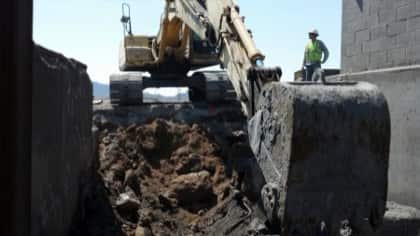
I started in a ditch.
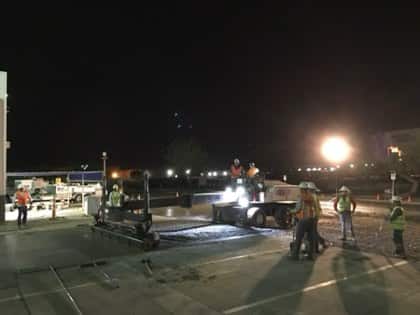
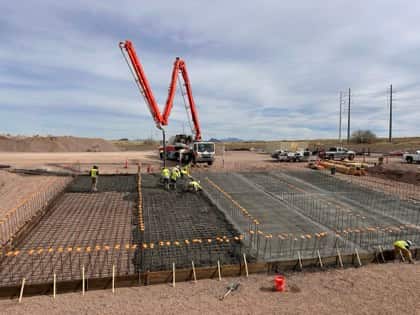
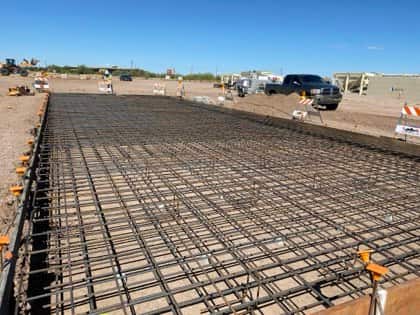
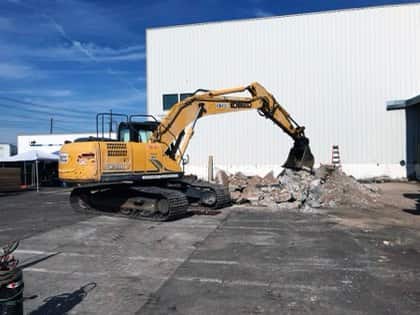
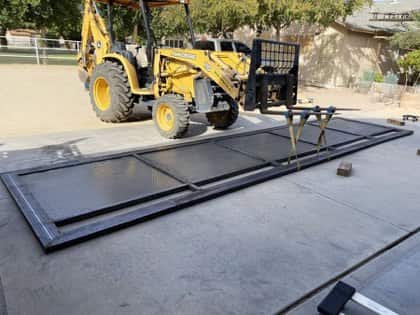
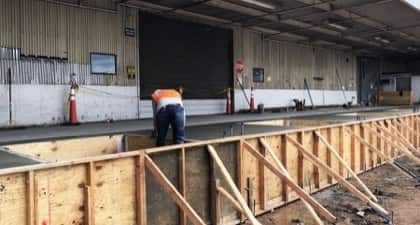
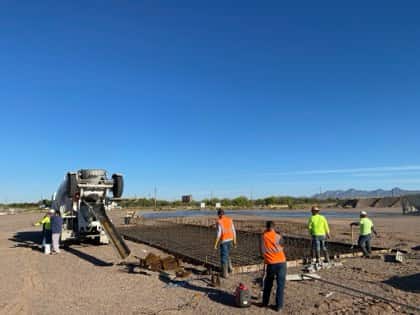
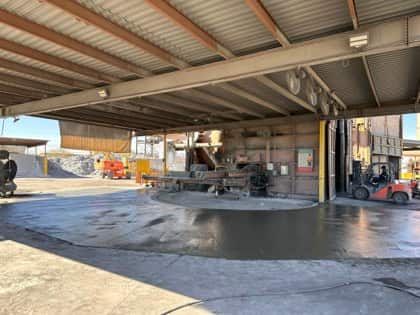
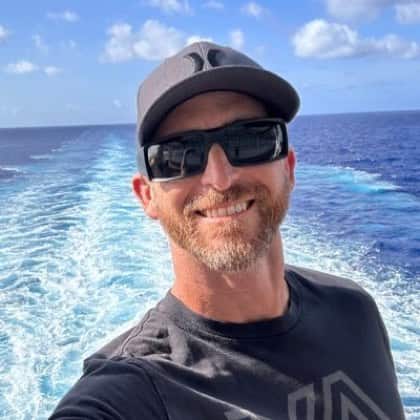
I was five years old the first time I worked for my father's concrete business. By ten I was digging ditches. That's not a metaphor I reach for — it's where the work actually started, and it's why I've never been able to take a business seriously from a slide deck.
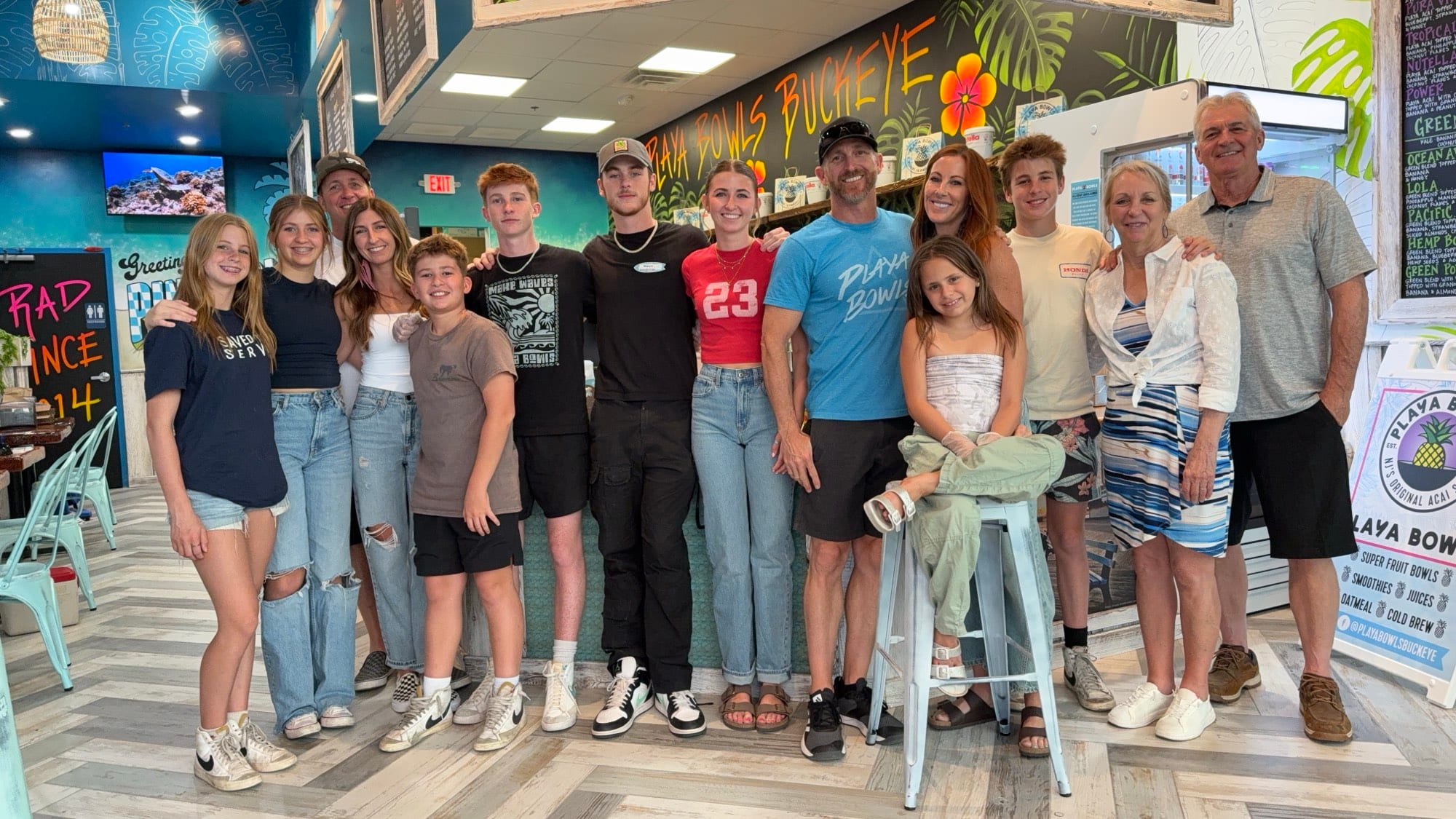
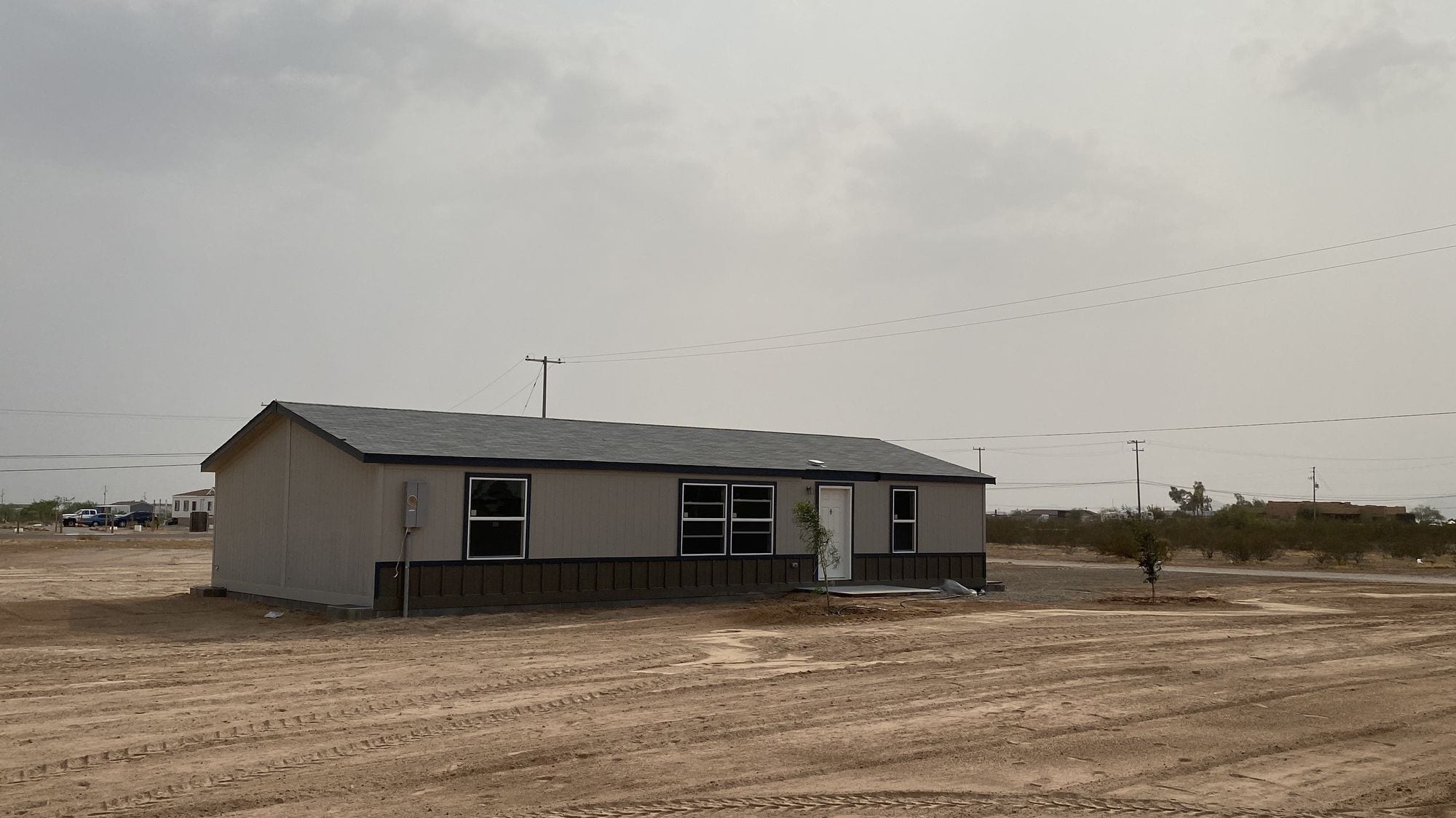
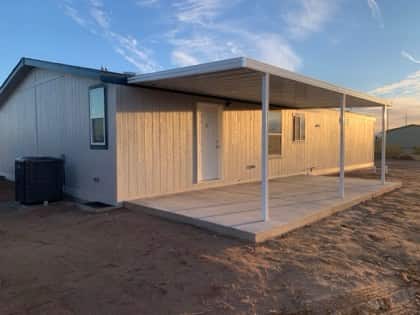
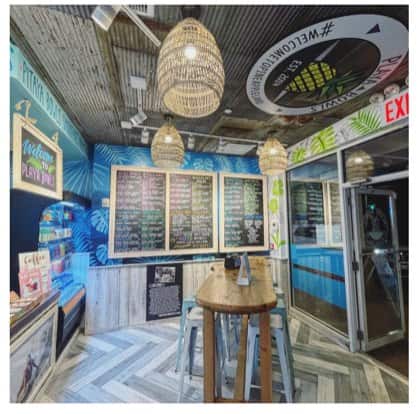
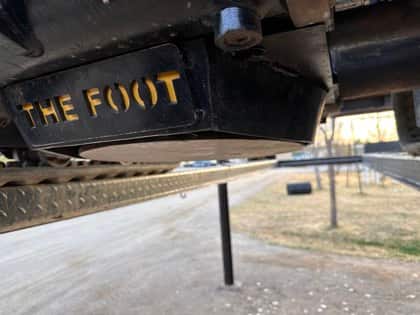
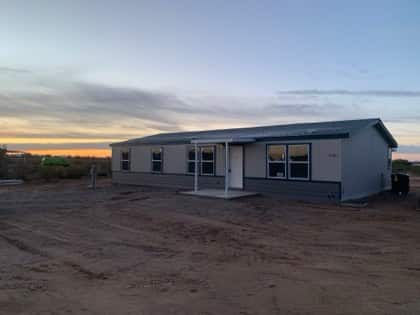
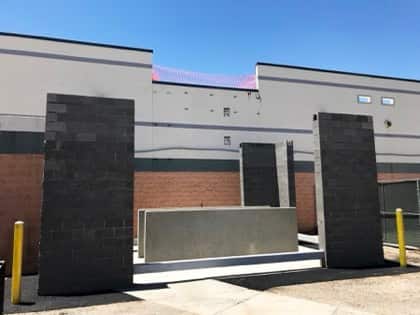
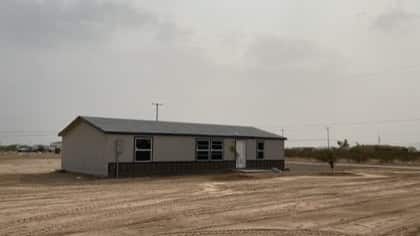
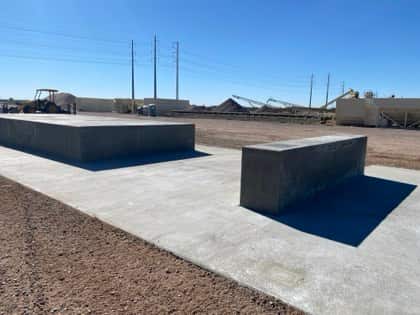
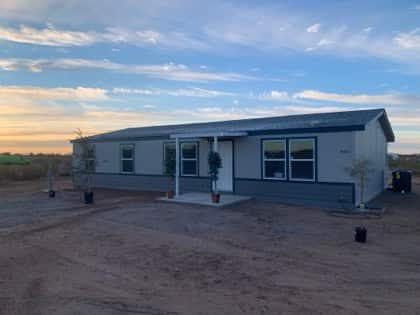
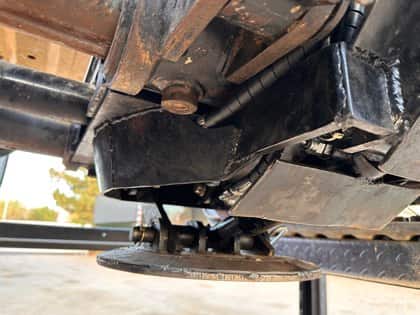
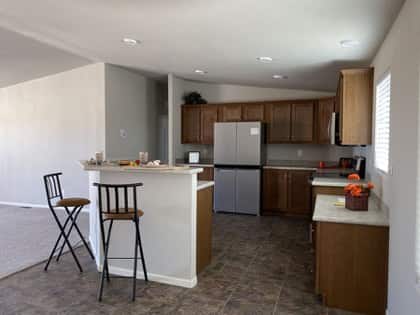
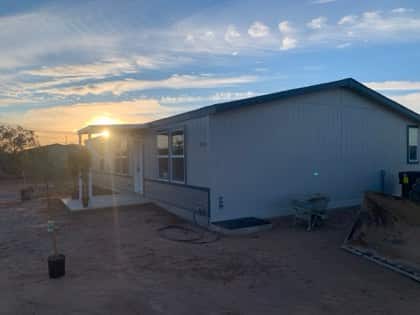
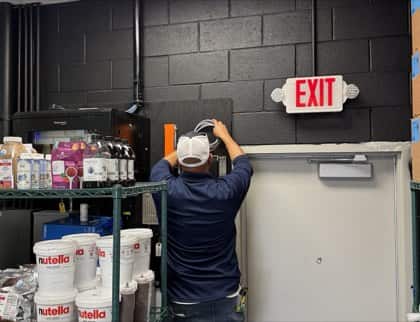
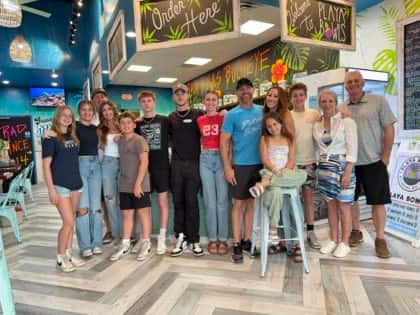
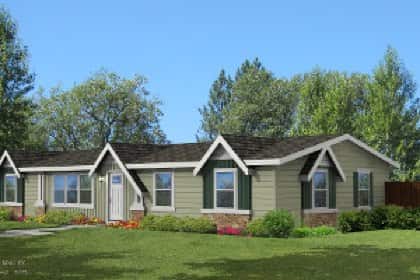
Since then: I've built homes as a contractor. I run a manufactured-home dealership with my father and my brother — we do land-home packages, everything from permitting to concrete to sales — and I've set the homes myself: on the crew, in the dirt, dealing with the permit office and the hauler and the customer who was promised the moon by a salesman. We bought a Playa Bowls franchise and learned what it costs to run inside someone else's system. I invented a piece of heavy-equipment hardware and pushed it all the way through to a granted U.S. patent.
That list reads like a straight line, and it wasn't one. I lost my house in the 2009 recession and we started over in a rental. What I remember isn't the losing — it's the first morning in that house. September 1st. I woke up with nothing and felt every bit of the pressure gone with it. I hadn't known how much I was carrying until it wasn't there. It's still my favorite day of the year.
Between all of our companies over the last thirty years, we've done more than $35 million in revenue. I mention it only because it's the difference between theorizing about how a business runs and having actually run one.
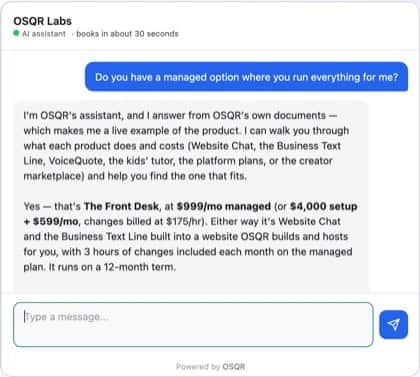
Then AI got good enough to matter, and I did the thing nobody in my industry does: I learned to build the software myself. Not a hobby project — a real product, Osqr, that I ship and sell.
What I found is that the businesses I came from — construction, housing, trades, franchises — are exactly the ones getting left behind, and exactly the ones with the most to gain. They don't need another dashboard. They need someone who understands both the jobsite and the codebase, and there turn out to be very few of us.
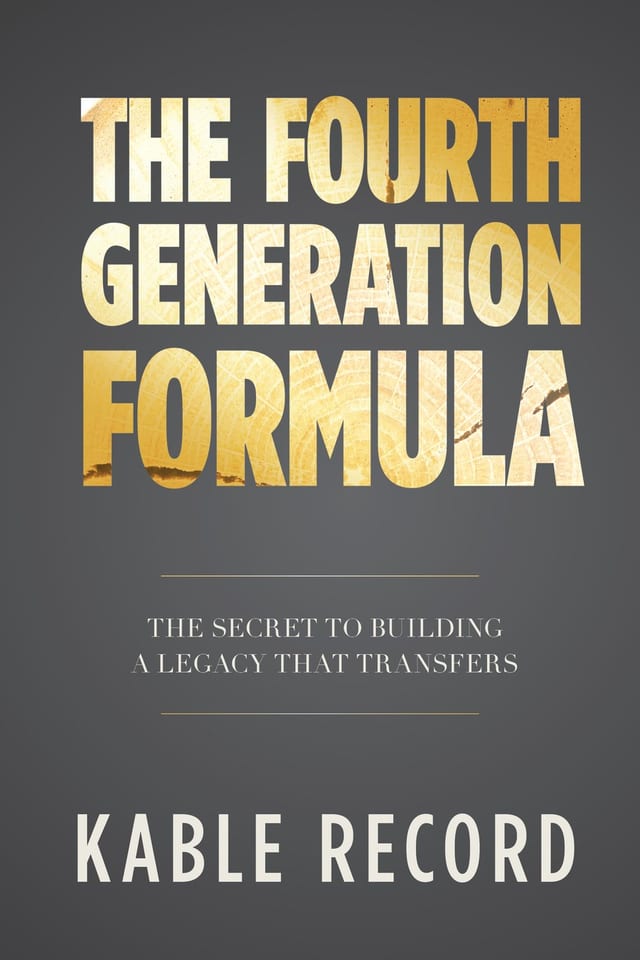
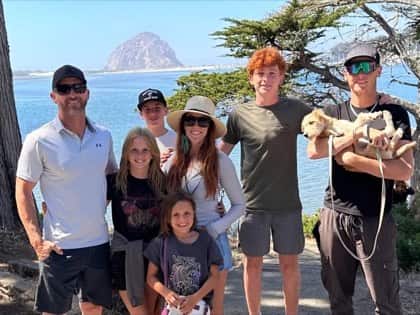
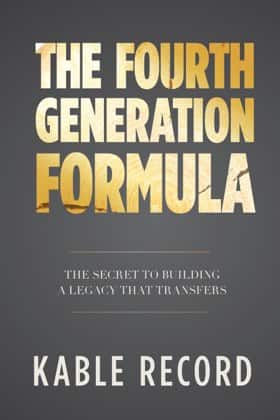
None of that is the reason, though. I wrote a book about why 97% of family businesses are gone by the fourth generation, and I didn't write it as a theory. Record Construction is third-generation. My five kids would be the fourth. I can see the road that ends that way from where I'm standing on it, and what I've learned is that the businesses that don't make it don't fail dramatically — they keep running exactly the way they always ran while the ground moves underneath them.
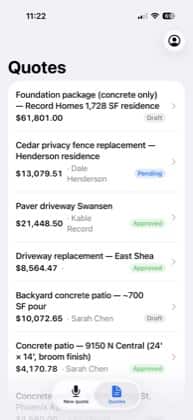
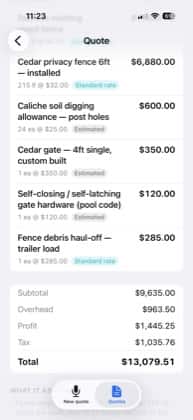
That's also why I'm useful to you. Whatever you're dealing with — the office that runs on paper and memory, the good people you can't clone, the quote that took four days to get out the door and lost the job — I'm not diagnosing it from the outside. I'm running the same kind of business you are, in the same year, and I've had to build my own way out of it.
So that's what I do now.